Card #025 · The Question That Matters Card
    Question That Matters · #025

    The will exists. Nobody knows where it is. The filing cabinet contains  .

    The Real Question from the Book · The Documents That Speak for You

    Do the people I've named actually know where everything is?

    The Answer

    You have chosen your agents. You have signed the documents. You have explained your reasoning to your family. Now comes the part many people skip entirely: making sure the people you have named can actually find what they need when the time comes. A power of attorney document filed away in a safe deposit box, with no one knowing it exists, is functionally useless. I have sat with families in crisis where the documents existed but could not be found. File cabinets were searched. Safes were opened. Hours turned into days of frantic searching, all while medical decisions needed to be made and bills needed to be paid. This kind of chaos is entirely preventable. But prevention requires something most people resist: letting someone else into the details of your life while you are still fully capable. **The honest questions to ask yourself.** If you became incapacitated tomorrow, could the person you named as financial power of attorney actually access your accounts? Do they know what bank accounts you have? What bills are set to auto-pay? Where you keep passwords? Who your financial advisor is? What insurance policies exist? Whether you have a safe deposit box, and where the key is? Do they know where your legal documents are physically located? The same applies to healthcare. Does the person you named know who your primary care physician is? What specialists you see? What medications you take? What your preferences are for end-of-life care? **Why people resist this step.** Many people resist this step because it feels like giving up privacy. I understand that resistance. But consider the alternative. If you do not share this information now, while you are capable and in control, it will be shared later, under stress, in crisis, by people searching desperately through your files while you cannot help them. Sharing information on your terms, in a calm and structured way, gives you control. Waiting until crisis forces the issue removes that control entirely. **Build the binder.** The most effective approach is to create a single, organized document or binder that contains all essential information. This can be a simple Word document or a physical binder with labeled sections. Here is what it should include: **financial information** (bank accounts, credit cards, investment accounts, insurance policies, recurring bills, contact information for financial advisor); **legal documents** (location of will or trust, power of attorney documents, living will, names and contact information for estate planning attorney); **medical information** (current medications, allergies, medical conditions, primary care physician and specialists with phone numbers, preferred hospital, pharmacy information, health insurance details); **personal information** (Social Security number, date of birth, contact information for close friends or neighbors who should be notified in an emergency); and **digital access** (email accounts and passwords or location of password manager, online banking information, patient portal logins). Creating the document is step one. Step two is walking someone through it. Open the binder. Show them the document. This conversation often reveals gaps you did not realize existed. Those discoveries are valuable. They give you the chance to fix gaps before they become crises. Set a reminder to review and update this information annually.

    What This Looks Like in Real Life

    He had been organized his whole life. The estate planning was done a decade ago. The lawyer was paid. The will was signed. He was, by his own assessment, all set. When he died unexpectedly on a Thursday morning, his daughter went looking for the documents. The filing cabinet contained tax returns from 1998, a folder of birthday cards from his late wife, and three expired passports. The will was not there. The lawyer's name was on a business card she eventually found in the back of his desk drawer, but the firm had merged twice and the new firm could not locate the file. The will surfaced six weeks later, after probate had already begun, in a fireproof box in the back of a closet she had not thought to open. Nothing about the documents themselves was wrong. The single missing piece was a one-page index — 'here is where everything is' — that would have taken him an hour to write and would have saved his daughter six weeks of confusion at the hardest moment of her life.

    What to Do Next

    1. Build a one-page Locator Document: list each important item (will, POA, advance directive, insurance, deeds) and exactly where it lives. Keep one copy at home and give one to your agent.
    2. Create a binder or secure digital folder with five sections — Financial, Legal, Medical, Personal, Digital. Use the checklist in this answer as the table of contents.
    3. Walk your financial and healthcare agents through the binder in person. Treat the gaps that surface as wins, not failures — they are the reason you did this exercise.
    4. Use a reputable password manager and either give your agent the master password (sealed, in writing) or document where it is stored. Do not write account passwords on paper that lives next to a computer.
    5. Set a recurring annual reminder to update the binder. Mark the date on the cover so anyone who opens it knows how current it is.
    Sources & references

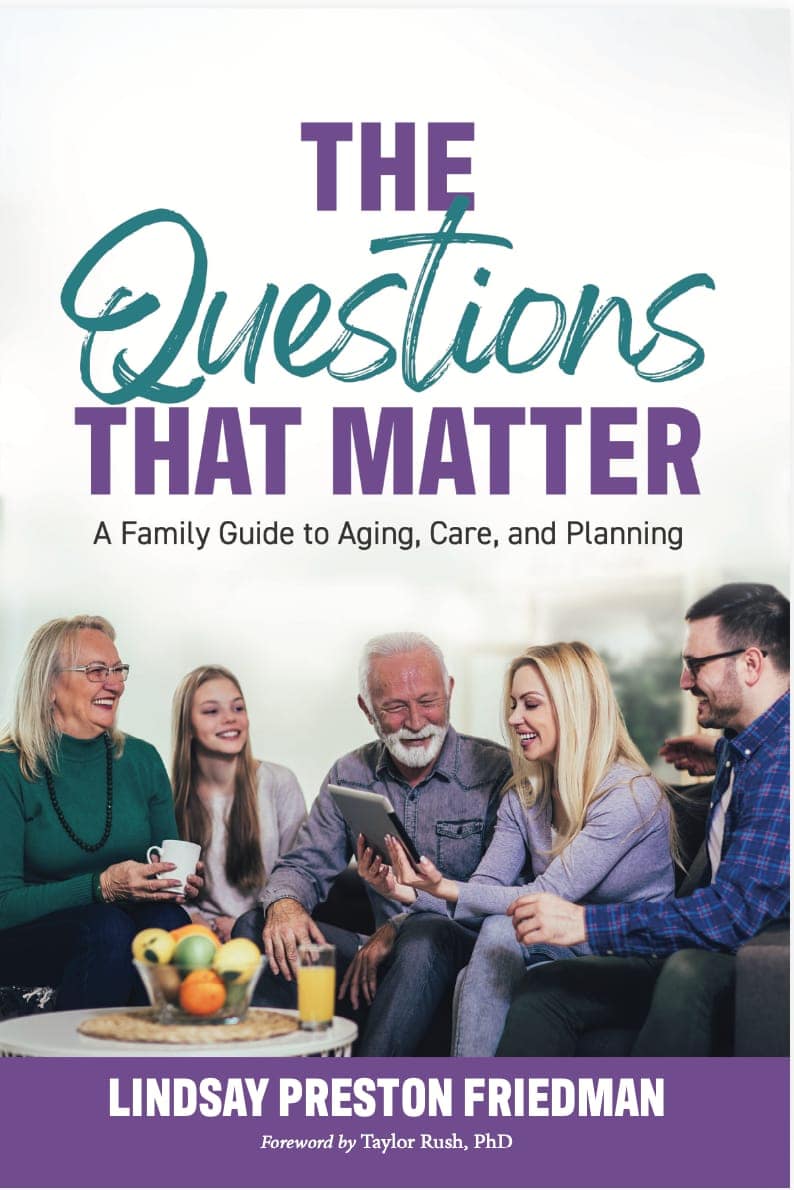
    The Questions That Matter — A Family Guide to Aging, Care, and Planning
    The Source of These Answers

    You've got the cards. The book goes deeper.

    Every card is a doorway. The Questions That Matter: A Family Guide to Aging, Care, and Planning is the full guide behind the deck — the chapter, the context, and the next conversation for every prompt you've already started at the table.

    Make It Personal

    Turn this question into your own plan.

    Reading the answer is one thing — knowing what it means for your family is another. Get a free, personalized Care Plan in minutes. No pressure, no sales calls, just the next right step for where you are today.

    Get Your Free Care Plan

    Free forever · No credit card · Founded by Lindsay Friedman