Card #024 · The Question That Matters Card
    Question That Matters · #024

    Dad named one sibling over the others and told no one why. The story the other siblings are telling themselves is  .

    The Real Question from the Book · The Documents That Speak for You

    Should I tell my children why I chose who I chose?

    The Answer

    You have made your decisions. You have chosen who will handle finances and who will handle healthcare. The documents are signed. Now comes the question many people avoid entirely: Do I tell my children why I made the choices I made? Some people believe that explaining creates unnecessary conflict. I understand that instinct. But in my experience, silence creates far more conflict than honesty ever does. **The honest questions to ask yourself.** If you do not explain your reasoning, what story will your family tell themselves? The child who was not chosen may assume it is because you do not trust them, or do not value them, or favor their sibling. They may spend years quietly nursing that hurt. The child who was chosen may feel burdened by a responsibility they did not ask for, wondering why it fell to them. Siblings may resent each other, assuming favoritism, when the reality was simply practical. All of this can be prevented with a single conversation. Why did you choose the person you chose? Was it capability? Proximity? Temperament? Trust? Can you articulate that reason in a way that honors everyone? **When the truth is hard.** Sometimes the truth is uncomfortable. 'I didn't choose you because you've always struggled with organization.' 'I didn't choose you because you fall apart in medical situations.' Those are real reasons. They may even be the right reasons. But saying them out loud can wound. In most cases, honesty delivered with care prevents far more pain than it causes. If you chose one child for financial POA because they are organized, and another for healthcare POA because they stay calm under pressure, that is easy to explain in a way that honors both. Most siblings, when given this kind of explanation, understand. What they cannot tolerate is finding out after the fact, with no context, wondering why they were passed over. **When the reason is deeply personal.** If the reason you did not choose someone involves addiction, financial irresponsibility, or strained trust, you may need to weigh the value of honesty against the potential for lasting hurt. In those cases, you can still explain your choice without detailing every reason. 'I chose your sister for the financial role because of her experience with this kind of work.' That explanation may not satisfy everyone. But it is better than silence.

    What This Looks Like in Real Life

    He has three sons. After signing his documents, he tells only the son he named — the middle one, an accountant — and asks him to keep it quiet. He does not want to start a fight. He thinks he is protecting the family. Four years later, he dies suddenly. The middle son brings out the documents. The oldest son, who has spent his life being 'the responsible one,' is stunned. The youngest, who lives closest and visited every Sunday, is hurt. Within a week, the brothers are barely speaking. They are not really fighting about the documents. They are fighting about the unanswered question: why didn't Dad pick me? They will never get the answer now. The conversation that should have happened around a kitchen table years earlier was three sentences long: 'I'm naming your brother because he does this for a living and it makes the most sense. It's not about love. It's about who is best equipped for this specific job.' That conversation, never had, becomes the wedge between three brothers for the rest of their lives.

    What to Do Next

    1. Decide how you will frame each choice in one sentence focused on capability, not character — organization, calm under pressure, professional experience, proximity.
    2. Have the conversation with all of the children together if you can, or one-on-one if a group setting would feel charged. Either is better than silence.
    3. Name what you value in the children you did not choose for that role. 'I'm naming your sister for finances because of her work — and I'm naming you as my healthcare advocate because nobody knows me the way you do.'
    4. Put a copy of the documents — and your reasoning — somewhere accessible. A short letter included with the estate documents can carry the explanation forward if you cannot.
    5. If the real reason is sensitive (addiction, broken trust, financial issues), explain the choice without detailing the reason. 'This is what I decided and I want you to hear it from me' is enough.

    Sources & references

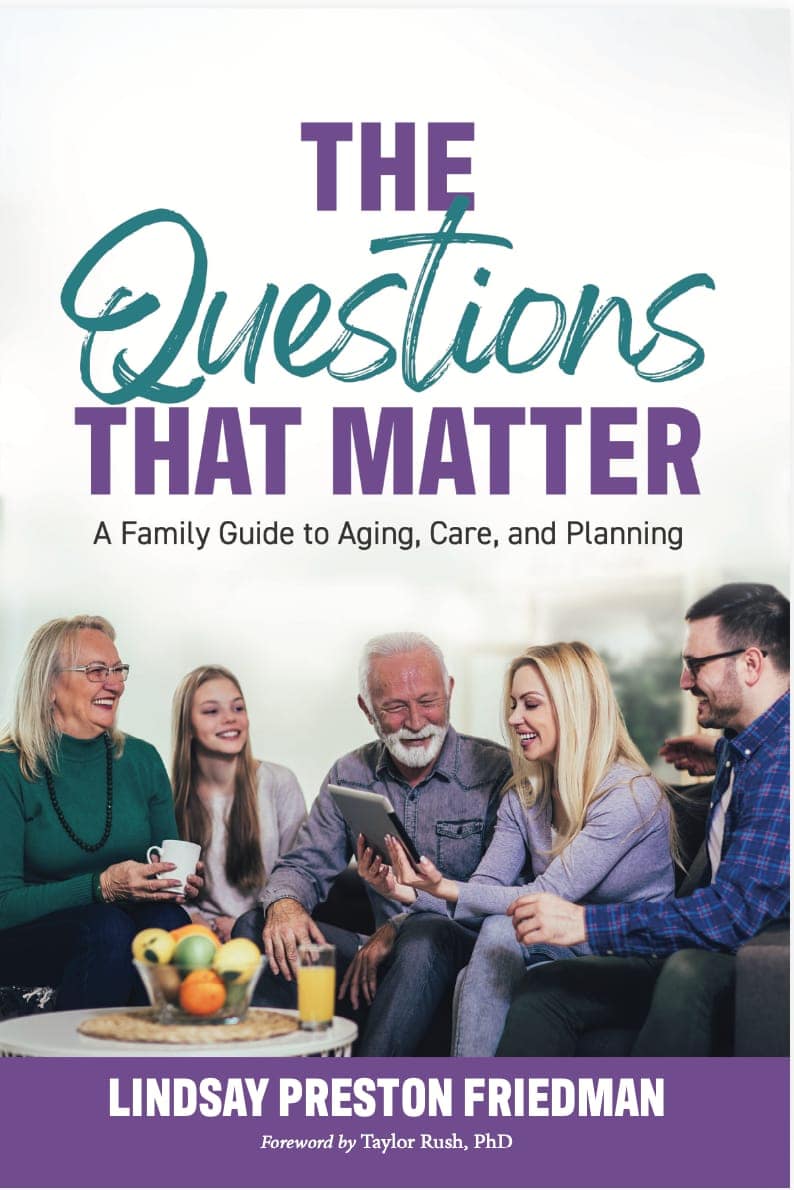
    The Questions That Matter — A Family Guide to Aging, Care, and Planning
    The Source of These Answers

    You've got the cards. The book goes deeper.

    Every card is a doorway. The Questions That Matter: A Family Guide to Aging, Care, and Planning is the full guide behind the deck — the chapter, the context, and the next conversation for every prompt you've already started at the table.

    Make It Personal

    Turn this question into your own plan.

    Reading the answer is one thing — knowing what it means for your family is another. Get a free, personalized Care Plan in minutes. No pressure, no sales calls, just the next right step for where you are today.

    Get Your Free Care Plan

    Free forever · No credit card · Founded by Lindsay Friedman