Card #034 · The Question That Matters Card
    Question That Matters · #034

    If care costs became very high, Dad's stated priority would be  .

    The Real Question from the Book · Family Money Conversations — Fairness, Contributions & Hard Truths

    If care costs become very high, what would I want to happen financially?

    The Answer

    This is one of the most emotionally complicated questions families face, because it touches two deeply held instincts at the same time: the instinct to receive the best possible care, and the instinct to protect the people we love. Those instincts can pull in different directions. Long-term care can cost thousands of dollars per month, and extended care over years can significantly reshape a family's financial landscape. That reality does not mean there is one correct answer. But it does mean that thinking through these possibilities in advance can spare loved ones from having to guess what you would want. **The honest questions to ask yourself.** If you needed long-term care, what would matter most to you? Would you want every resource used to get the best possible care, even if savings were quickly depleted? Or would you want to preserve some resources for a spouse or family, even if it meant a lower level of care? Many people are not sure, and that is okay. But even thinking it through matters, because it reveals your values and helps guide decisions later when emotions are high. Some people choose care above all else. Others prioritize financial protection for a spouse or legacy for family. Both are valid. What matters is clarity. When your wishes are known, your family is not left guessing in the middle of a crisis. **Raising the question with your loved ones.** 'I've been thinking about what I'd want if I ever needed expensive care for a long time. I wanted to share my thinking with you, not because I need care now, but because I don't want you guessing later. If it came down to it, I'd want [fill in your priority]. I know that might change depending on circumstances, but that's how I'm thinking about it right now.' This is not binding. It is not a legal directive. It is simply transparency. And transparency, in these conversations, is a gift. **How loved ones can raise the conversation.** 'I want to make sure I understand what you'd want if care ever became really expensive. Would you want us to use everything available to make sure you had the best care, or would you want us thinking about preserving some resources for other things? I'm not asking because I have an opinion about what you should do. I'm asking because I want to know what matters most to you.' This framing makes clear that you are not trying to steer the decision. You are trying to understand their values so you can honor them.

    What This Looks Like in Real Life

    Her father had always been the saver in the family — frugal, careful, proud of what he had set aside over forty years of working. So when she finally asked him, over coffee one Sunday, what he would want if care ever got expensive, she expected him to say 'protect the money.' Instead, he was quiet for a long time. Then he said, 'I think — if it came to it — I'd want you to use whatever it took to keep me comfortable and well cared for. Your mother is taken care of through her own pension. You and your brother are grown. I didn't save this money so I'd suffer at the end to leave you a check.' She was surprised. She had assumed his priority was the inheritance. It wasn't. His priority was dignity in care, and the freedom to use the money he had earned for the thing he had earned it for. Two years later, when he was diagnosed with Parkinson's and care costs climbed, she didn't have to wonder. She knew. And every decision she made for him after that was made with his actual values in front of her — not her best guess.

    What to Do Next

    1. Sit quietly with the question for a week before answering. Notice which option produces relief and which produces tension.
    2. Write your priority down in plain language — one or two sentences — and date it. This is not legal, but it becomes a touchstone.
    3. Share your priority with your spouse and at least one adult child or trusted decision-maker. Keep it simple, no formal meeting required.
    4. Bring the same question to your financial planner and elder law attorney so the legal and financial plan reflects your stated priority.
    5. Revisit the question every few years, or after any major life change (diagnosis, loss of spouse, change in family circumstances).

    Sources & references

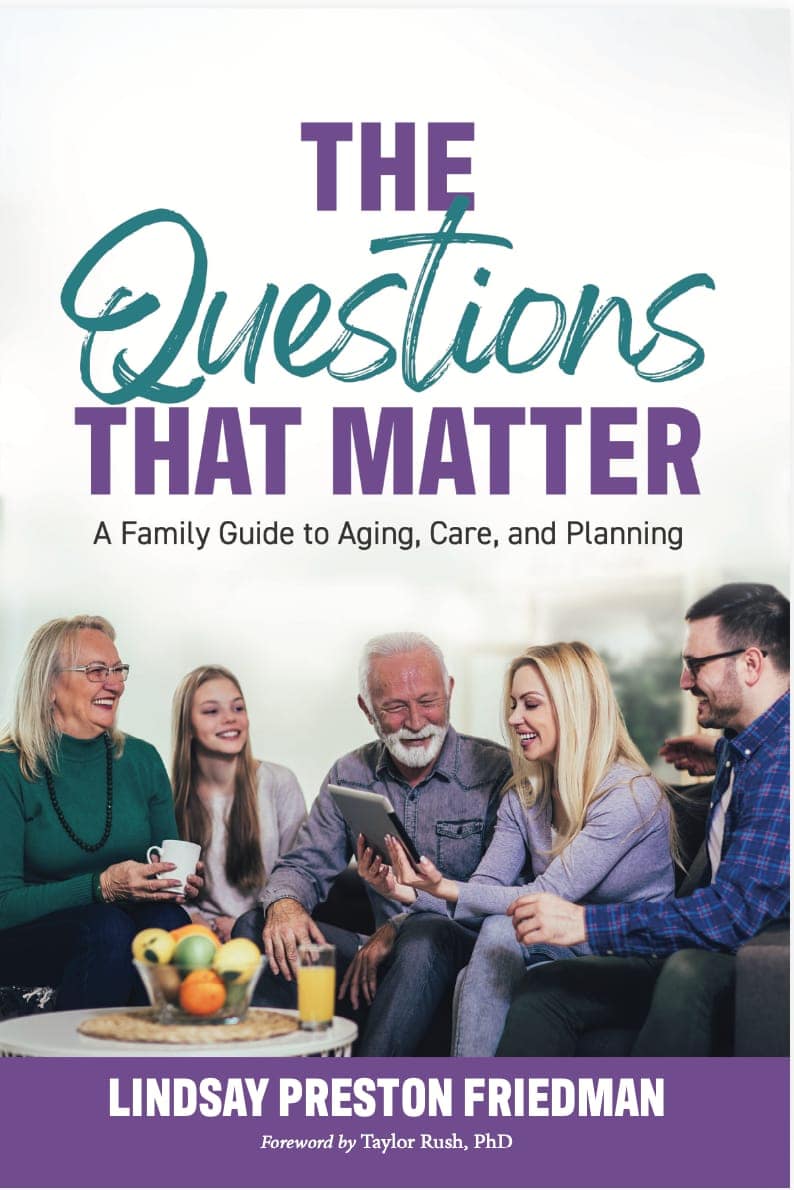
    The Questions That Matter — A Family Guide to Aging, Care, and Planning
    The Source of These Answers

    You've got the cards. The book goes deeper.

    Every card is a doorway. The Questions That Matter: A Family Guide to Aging, Care, and Planning is the full guide behind the deck — the chapter, the context, and the next conversation for every prompt you've already started at the table.

    Make It Personal

    Turn this question into your own plan.

    Reading the answer is one thing — knowing what it means for your family is another. Get a free, personalized Care Plan in minutes. No pressure, no sales calls, just the next right step for where you are today.

    Get Your Free Care Plan

    Free forever · No credit card · Founded by Lindsay Friedman