Card #006 · The Question That Matters Card
    Question That Matters · #006

    Mom has not left the house in three weeks and says she just prefers it this way. What is actually happening is  .

    The Real Question from the Book · Noticing the Subtle Shifts

    Am I staying connected or am I starting to pull away?

    The Answer

    Of all the changes that accompany aging, social isolation is among the most dangerous, and among the least discussed. It does not announce itself dramatically. It creeps in gradually, quietly, wearing the disguise of preference. "I just don't feel like going out as much." "It's easier to stay home." "I'm not as close with those people as I used to be." These statements sound like personal choices. Sometimes they are. Sometimes they are early warning signs of something that deserves attention. Research is unambiguous on this point: chronic social isolation carries health risks comparable to smoking fifteen cigarettes a day. It is associated with accelerated cognitive decline, higher rates of depression and anxiety, weakened immune function, and increased mortality. Connection is not a luxury. It is a biological need. **The honest questions to ask yourself.** Think back over the past few months. Have you been seeing friends or family as often as you used to? Are there people you once called regularly who you've fallen out of touch with — and if so, why? Have you declined invitations more often than you've accepted them? Do you go full days without speaking to another person? Has your world quietly gotten smaller? None of these questions are accusations. They are check-ins. The goal is simply awareness. **When isolation has a practical cause.** Sometimes withdrawal is not emotional — it is logistical. Driving has become difficult. Hearing loss makes group settings exhausting. Mobility limits where someone can go. Grief after losing a spouse or close friend can make social settings feel unbearable. These are all real and legitimate reasons. And they all have potential solutions worth exploring. Transportation barriers can be addressed. Hearing aids and assistive devices have improved dramatically. Grief support groups exist. Senior centers, faith communities, and volunteer organizations can rebuild connection in ways that feel purposeful rather than obligatory. The key is not to wait until isolation has become entrenched. It is far easier to maintain connection than to rebuild it after it has collapsed.

    What This Looks Like in Real Life

    **How to raise the question with your loved ones.** "I've noticed I haven't been getting out as much lately, and I'm not sure I love how that feels. Can we think together about ways to change that?" Naming the feeling before it becomes a problem is one of the most protective things an aging adult can do. It is also a model of the kind of honest communication this entire book is asking families to practice. **How loved ones can raise the conversation.** Tone matters enormously here. "You never go anywhere anymore" will land very differently than "I've missed hearing about what you've been up to." Lead with genuine curiosity. Ask about specific people and places your loved one has mentioned before. Listen for what has quietly faded from the conversation. "You used to mention lunch with Paula pretty often. Do you two still get together?" That single question opens more than you might expect. If the answer reveals real withdrawal, do not immediately launch into solutions. First, simply acknowledge what you've heard. "That sounds lonely. I'm really glad you told me." Then, in a separate conversation, begin exploring what might help. **When it is more than loneliness.** Sometimes isolation is a symptom of depression, grief, cognitive decline, or anxiety — not just circumstance. If you notice that a loved one has lost interest not only in social connection but also in hobbies they once loved, in personal care, in food, or in conversation itself, that is worth bringing to a physician's attention. These changes can be subtle. They are also treatable.

    What to Do Next

    1. Do a quiet inventory of the last month: who did you see in person, who did you call, what invitations did you accept or decline? Notice the pattern without judgment.
    2. Identify the real barrier behind any withdrawal — transportation, hearing, mobility, grief, energy, or mood. Each one has a different solution; naming it is the first step.
    3. Rebuild one anchor point of connection: a standing weekly lunch, a senior center class, a faith community group, a volunteer shift, a phone call on the same day each week. Repetition matters more than novelty. The Caregiver Support Services finder can surface local programs that make connection easier.
    4. If hearing or driving is the barrier, address it directly — a hearing evaluation, a rideshare account, a paratransit application, or a family transportation rotation.
    5. If withdrawal is paired with loss of interest in hobbies, personal care, food, or conversation, talk to a primary care provider about depression and cognitive screening. These changes are common and treatable — but only if named. Our resources for seniors cover staying connected as needs change.

    Sources & references

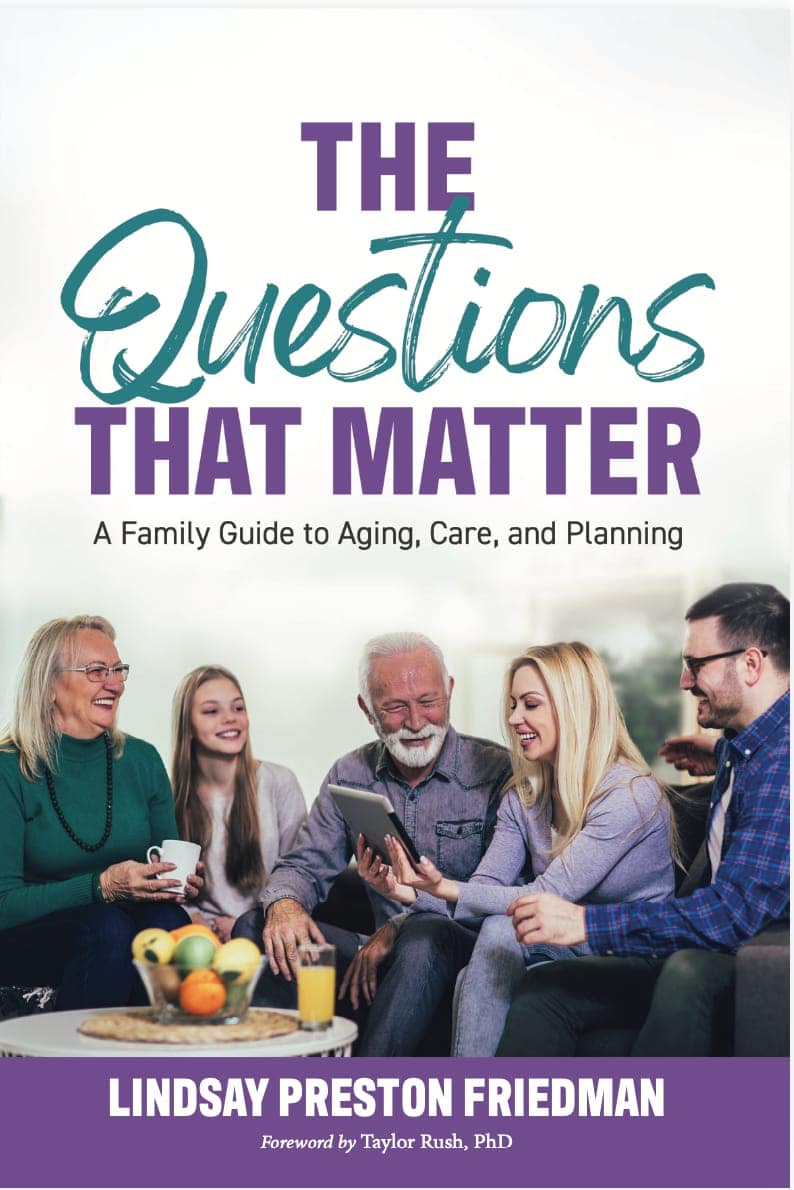
    The Questions That Matter — A Family Guide to Aging, Care, and Planning
    The Source of These Answers

    You've got the cards. The book goes deeper.

    Every card is a doorway. The Questions That Matter: A Family Guide to Aging, Care, and Planning is the full guide behind the deck — the chapter, the context, and the next conversation for every prompt you've already started at the table.

    Make It Personal

    Turn this question into your own plan.

    Reading the answer is one thing — knowing what it means for your family is another. Get a free, personalized long-term care plan. No pressure, no flood of sales calls, just the next right step for where you are today.

    Get Your Free Care Plan

    Free forever · No credit card · Founded by Lindsay Friedman