What To Do When a Loved One Falls: A Step-by-Step Guide for Families

Medically reviewed by Dr. Taylor Rush, PhD
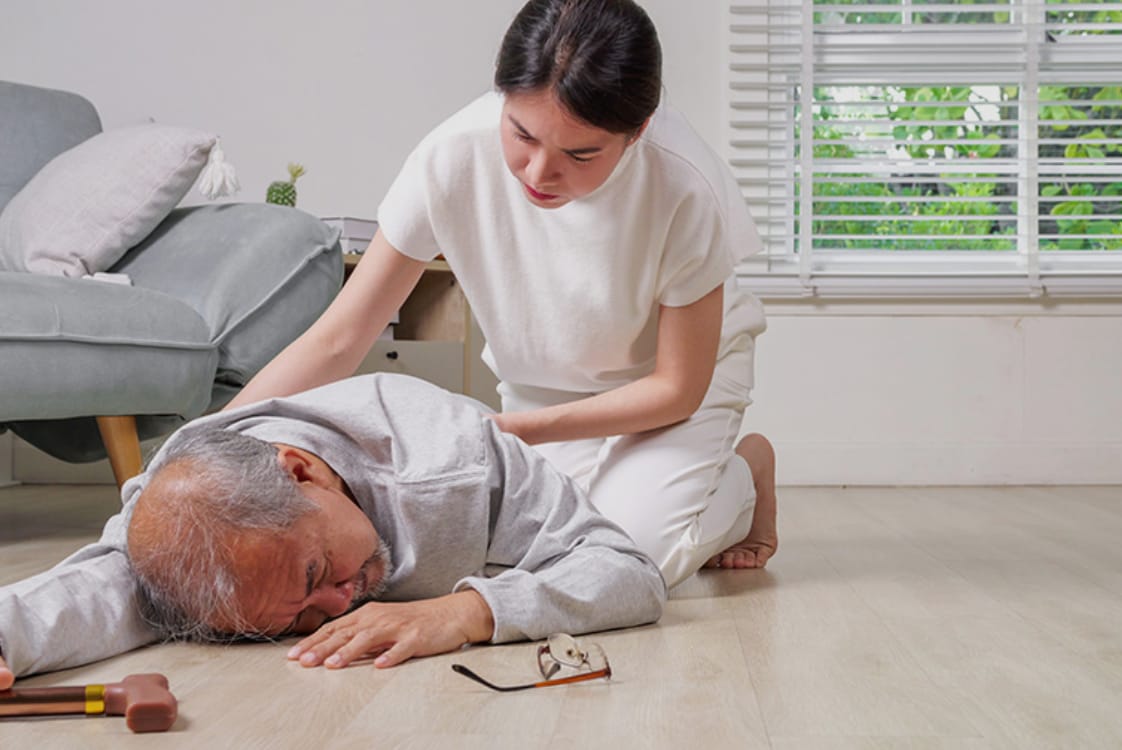
A fall changes something.
Even if your loved one seems "okay," it introduces a new question in the back of your mind: Is this the beginning of something bigger?
At LTCareNav, we work with families every day who are trying to figure out what a fall really means and what to do next. The truth is, a fall is rarely just an accident. It is often the first visible sign that something has shifted — physically, medically, or environmentally.
The good news is that with the right steps, you can turn a scary moment into a clear plan. A free Care Assessment is the fastest way to understand what changed and what to do next.
Step 1: Start With Safety
In the moment, your instinct may be to help them up right away. Slow down.
First, check:
- Are they alert and responsive?
- Are they in pain — especially head, neck, hip, or back?
- Did they hit their head?
- Can they move their arms and legs?
Do not rush to move them if you suspect an injury.
⚠️ Call for medical help if:
- There was a head impact
- They lost consciousness
- They cannot stand or bear weight
- You notice swelling, bleeding, or unusual positioning
If they seem stable, help them up slowly and stay nearby for a while. Sometimes symptoms show up later.
Step 2: Ask the Most Important Question — Why Did This Happen?
This is where prevention begins. Most falls come from one (or both) of these:
- Mechanical causes — something in the environment or physical setup
- Medical causes — something happening inside the body
Understanding which one you are dealing with changes everything about what you do next.
Key Insight
A fall is often one of the earliest signs a loved one needs more care. Treat it as a signal, not a one-off.
If It Was a Mechanical Fall
These are often the easiest to fix — and the most overlooked.
Common triggers:
- Rugs, cords, or clutter
- Poor lighting (especially at night)
- Stairs without proper railings
- Slippery bathroom surfaces
- Shoes that don't provide support
- Walking aids that are missing or misused
✅ What you can do right away
Walk through the home like you are seeing it for the first time:
- Remove loose rugs and clear pathways
- Improve lighting in hallways, bedrooms, and bathrooms
- Install grab bars where needed
- Add non-slip mats in bathrooms
- Keep frequently used items within easy reach
Then look at mobility:
- Are they steady when walking?
- Are they holding onto furniture?
- Do they need a cane or walker — or a better-fitting one?
A physical or occupational therapist can assess this and make targeted recommendations. If in-home support would help, our Home Care guide walks through what's available and how it works.
If It Was a Medical Fall
This is where families often feel less certain — and where guidance matters most.
Common underlying causes:
- Blood pressure changes (especially when standing up)
- Medication side effects or interactions
- Dehydration
- Infections (like UTIs)
- Blood sugar fluctuations
- Vision or hearing decline
What to do next:
- Review medications carefully. Even small changes can create dizziness or instability.
- Schedule a medical check-in. Don't wait for another fall. Ask specifically about:
- Blood pressure (including sitting-to-standing changes)
- Medication review
- Any recent health changes
- Look for patterns.
- Does it happen at a certain time of day?
- After meals?
- When getting out of bed?
Patterns give clues that one-time events do not. Our free Care Assessment can help flag underlying risk factors and point to the right next conversation with a doctor.
When Falls Start Happening More Than Once
This is the moment to shift from reacting to planning. Recurring falls are not random — they are a signal that something needs to change.
Build a Fall Prevention Plan
- Get a full assessment.
- Physical therapy for strength and balance
- Occupational therapy for home safety
- Medical review for underlying conditions
- Focus on strength and stability. Even small improvements in strength can reduce fall risk significantly.
- Add layers of support.
- In-home care assistance
- Medical alert systems
- Environmental modifications
- Reevaluate the living environment. Sometimes the safest option is additional support at home or a setting designed for safety.
Use our guide on how to determine the right level of care to think through the next step. You can also explore typical long-term care costs in your state so the financial side doesn't catch you off guard.
This is not about taking independence away. It is about protecting it.
The Emotional Impact (That No One Talks About Enough)
After a fall, many older adults become more cautious — or even fearful. You might notice:
- Less movement
- More hesitation
- Increased dependence
This can quietly increase fall risk over time. The goal is not to avoid movement — it is to support safe movement with the right tools and environment.
How LTCareNav Can Help
If you are unsure what to do next, you are not alone. LTCareNav helps families:
- Understand what is driving changes like falls
- Explore care options based on real needs
- Connect with the right professionals and resources
You don't have to figure this out step by step on your own.
Take the next step
Start with a free Care Assessment to understand what a fall may signal — and get a clear, personalized plan for what to do next.
Sources & references
- Centers for Disease Control & Prevention: Index
- Centers for Medicare & Medicaid Services: Long Term Care