Skilled Nursing Explained: What It Is, How It Works, and What Families Need to Know

Medically reviewed by Dr. Taylor Rush, PhD
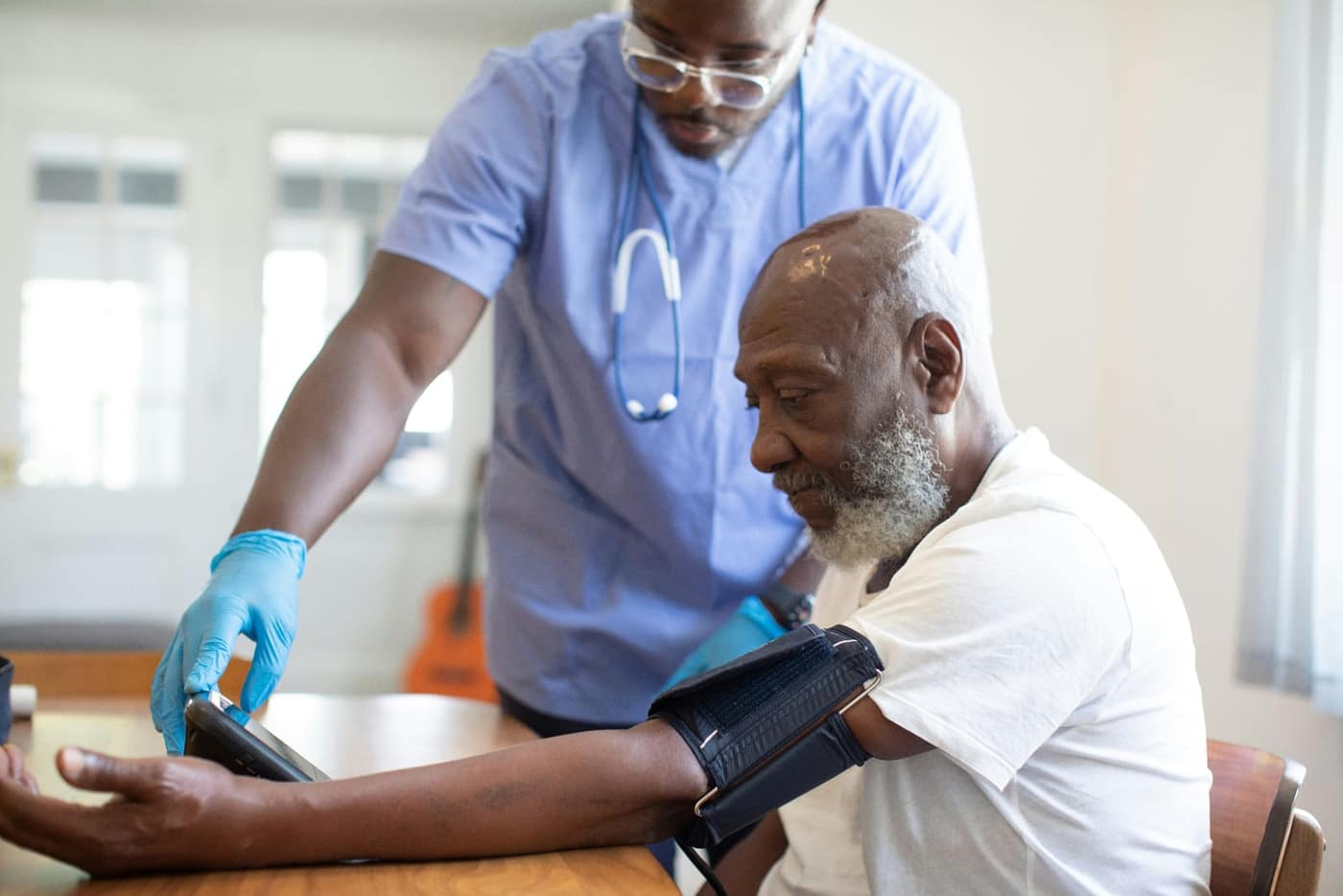
When families hear the term "skilled nursing," it often brings fear or confusion — sometimes even being mistakenly used interchangeably with assisted living or memory care. But skilled nursing is a very specific type of care, designed for people with complex medical needs that require licensed clinical support.
Understanding what it is — and what it is not — is essential for making informed decisions during hospitalization, rehabilitation, or long-term care planning.
What Is Skilled Nursing?
Skilled nursing refers to medical-level care provided by licensed nurses and clinical staff in a facility setting, commonly called a skilled nursing facility (SNF) or nursing home. It is the highest level of care outside of a hospital.
Skilled nursing includes:
- 24/7 licensed nursing care
- Medication administration and management
- Wound care and post-surgical care
- IV therapy and injections
- Physical, occupational, and speech therapy
- Monitoring of complex medical conditions
- Assistance with all activities of daily living (ADLs)
Key Distinction
Unlike assisted living or home care, skilled nursing is medical-first care — not primarily lifestyle or support-based care. It is designed for people whose health needs require constant clinical oversight.
Skilled Nursing at Home
While skilled nursing is most commonly associated with a facility setting, it can also be delivered in the home through home health services. This type of care is provided by licensed nurses and is focused on medical needs such as:
- Wound care and post-surgical recovery
- Medication administration and management
- Chronic disease monitoring (e.g., diabetes, heart conditions)
- Vital sign checks and clinical assessments
- Coordination with physicians and care teams
Skilled nursing at home is medical care, not personal or custodial support. It is different from home care, which focuses on daily living assistance such as bathing, meals, and companionship. Skilled nursing requires clinical training and is typically ordered by a physician as part of a recovery or care plan.
In many cases, this service is provided through certified home health agencies and may be covered under Medicare or eligible benefits through the U.S. Department of Veterans Affairs when criteria are met.
Skilled Nursing vs. Assisted Living vs. Memory Care
These terms are often confused, but they represent very different levels of need:
| Feature | Home Care | Assisted Living | Memory Care | Skilled Nursing |
|---|---|---|---|---|
| Primary focus | Daily living support | Help with daily life | Memory & safety | Medical complexity & recovery |
| Setting | Own home | Private apartment | Secure community | Clinical facility |
| Staff | Aides / companions | Care aides | Dementia-trained aides | Licensed nurses 24/7 |
| Median monthly cost | $6,673 | $6,200 | $7,750 | $9,581 – $10,798 |
| Medical care | Limited / skilled visits | Non-intensive | Non-intensive | Comprehensive, 24/7 |
| Medicaid coverage | Waiver programs | Some states | Some states | Widely covered |
Short-Term Skilled Nursing (Rehabilitation)
One of the most common uses of skilled nursing is short-term rehabilitation after a hospital stay. This may include recovery from:
- Surgery (hip, knee, heart procedures)
- Stroke
- Infection or illness
- Injury or fall
- Hospitalization due to medical decline
Short-term skilled nursing focuses on getting the person strong enough to return home or to a lower level of care. Services typically include:
- Intensive physical therapy
- Occupational therapy
- Speech therapy if needed
- Medication stabilization
- Wound care and recovery monitoring
Most short-term stays last anywhere from a few days to several weeks.
Pro Tip
If your loved one is being discharged from the hospital, ask about skilled nursing rehab before discharge. You have the right to choose a facility — don't feel pressured to accept the first option offered by the hospital.
Long-Term Skilled Nursing Care
Long-term skilled nursing is for individuals who require ongoing medical care and supervision and are not able to safely live at home or in assisted living. This may include people with:
- Advanced neurological conditions
- Severe mobility limitations
- Complex chronic illnesses
- Advanced dementia with medical complications
- Continuous nursing needs
Unlike short-term rehab, long-term skilled nursing is not focused on recovery — it is focused on ongoing care, comfort, and medical stability.
What Skilled Nursing Facilities Look Like
Unlike assisted living, skilled nursing facilities are more clinical in design. They typically include:
- Shared or semi-private rooms (some private rooms may exist)
- Central nursing stations
- Therapy gyms and rehabilitation rooms
- Medical monitoring equipment
- Communal dining areas
- Structured hallways rather than apartment-style layouts
While many facilities have improved aesthetics over time, the environment is still more hospital-like than residential due to the level of medical care required.
How Skilled Nursing Is Paid For
One of the most important distinctions in skilled nursing is how it is funded — and this differs greatly between short-term and long-term care.
Short-Term Skilled Nursing (Rehab)
Short-term stays are often covered by:
- Medicare (for qualifying hospital-related stays)
- Private health insurance
- Short-term rehab benefits after hospitalization
Medicare typically covers skilled nursing rehab after a qualifying hospital stay, for a limited time, if medical necessity is met. Coverage usually includes room and care, therapy services, and nursing services. There may still be co-pays depending on length of stay.
Long-Term Skilled Nursing Care
Long-term care is typically paid through:
- Private pay (out-of-pocket savings/assets)
- Medicaid (for those who qualify financially and medically)
- Long-term care insurance
Important
Unlike short-term rehab, Medicare does not cover long-term custodial nursing care. Medicaid is the primary payer for long-term nursing home stays — but eligibility requires meeting strict income and asset limits.
→ Check Medicaid eligibility in your state
Veterans Benefits for Skilled Nursing
The U.S. Department of Veterans Affairs may provide:
- Coverage for skilled nursing care in VA facilities
- Access to VA Community Living Centers
- Aid and Attendance benefits
- Support for long-term care placement depending on eligibility
Veterans benefits can significantly reduce out-of-pocket costs for those who qualify.
→ Learn about VA benefits for skilled nursing
→ Look up skilled nursing costs in your state
What to Look For in a Skilled Nursing Facility
Choosing the right facility is critical, especially because needs are often complex and time-sensitive.
1. Nursing Care Quality
- Staff-to-resident ratios
- 24/7 licensed nurse availability
- Medical oversight and physician involvement
2. Therapy and Rehabilitation Services
- Physical, occupational, and speech therapy availability
- Frequency and intensity of therapy
- Discharge planning support
3. Cleanliness and Infection Control
- Room hygiene
- Odor control
- Safety and sanitation practices
4. Communication and Coordination
- Family updates
- Care planning meetings
- Hospital and physician coordination
5. Staff Interaction
- Respectful treatment of residents
- Responsiveness to needs
- Emotional tone and attentiveness
6. Food and Daily Care Experience
- Nutritional meals
- Assistance with eating when needed
- Dietary accommodations
What to Expect When a Loved One Moves In
Skilled nursing admissions often happen quickly after a hospital stay. Families should expect:
- Fast transition from hospital discharge
- Medical intake and assessment
- Daily care planning
- Therapy scheduling (if rehab)
- Ongoing communication with providers
Short-term stays often begin with a discharge goal in mind, while long-term stays focus on stability and ongoing care.
The Emotional Reality of Skilled Nursing
Skilled nursing is often entered during some of life's most difficult moments. It is important to recognize:
- Decisions are often made under stress
- Medical needs are usually complex and urgent
- Emotional adjustment takes time
But when appropriate and well-matched, skilled nursing can provide safety and medical stability, recovery and rehabilitation, relief for families, and consistent, around-the-clock care.
Remember
Even in the most clinical settings, people still deserve comfort, respect, and quality of life. The best skilled nursing facilities balance medical care with dignity, communication, and humanity.
Frequently Asked Questions About Skilled Nursing
What's the difference between skilled nursing and assisted living?
Assisted living provides help with daily activities in an apartment-style setting for people who are mostly independent. Skilled nursing provides 24/7 medical care by licensed nurses for people with complex health needs. Skilled nursing is clinical and medically intensive; assisted living is residential and lifestyle-focused.
Does Medicare cover skilled nursing?
Medicare covers short-term skilled nursing rehabilitation after a qualifying 3-day hospital stay, for up to 100 days. It does not cover long-term custodial nursing home care. After Medicare coverage ends, families typically transition to Medicaid, long-term care insurance, or private pay.
How long can someone stay in a skilled nursing facility?
Short-term rehab stays typically last a few days to several weeks. Long-term stays can last months or years, depending on the individual's medical needs. There is no maximum length of stay — it depends on care requirements and funding.
Can someone go from skilled nursing back to home or assisted living?
Yes, especially after short-term rehabilitation. Many people recover enough strength and stability to return home with home care support, or transition to assisted living. Discharge planning typically begins early in the stay.
How do I find a good skilled nursing facility?
Check Medicare's Care Compare tool for quality ratings, visit in person, observe staff interactions, ask about staffing ratios and therapy programs, and talk to families of current residents. Don't feel pressured to accept the first facility offered during hospital discharge.
→ Take our free Care Needs Assessment
Does Medicaid cover skilled nursing?
Yes. Medicaid is the largest payer for long-term nursing home care in the United States. However, eligibility requires meeting strict income and asset limits, which vary by state. Many families work with Medicaid planners to navigate the application process.
→ Check Medicaid eligibility in your state
What is the average cost of skilled nursing?
According to the 2025 CareScout Cost of Care Survey, the national median cost is $9,581/month for a semi-private room and $10,798/month for a private room. Costs vary significantly by state and metro area.
Can veterans get help paying for skilled nursing?
Yes. The VA offers several programs including coverage in VA Community Living Centers, Aid and Attendance benefits, and support for long-term care placement. Eligibility depends on service history, disability rating, and financial need.
→ Learn about VA benefits for skilled nursing
Not sure where to start?
Our free care assessment helps you understand what kind of care your loved one needs — and what it might cost in your state.
Sources & references
- Centers for Medicare & Medicaid Services — Skilled Nursing Facility Snf Care
- Centers for Medicare & Medicaid Services — Index