Pet Power of Attorney and Pet Care Trusts: How to Make Sure Your Pet Is Cared For If Something Happens to You

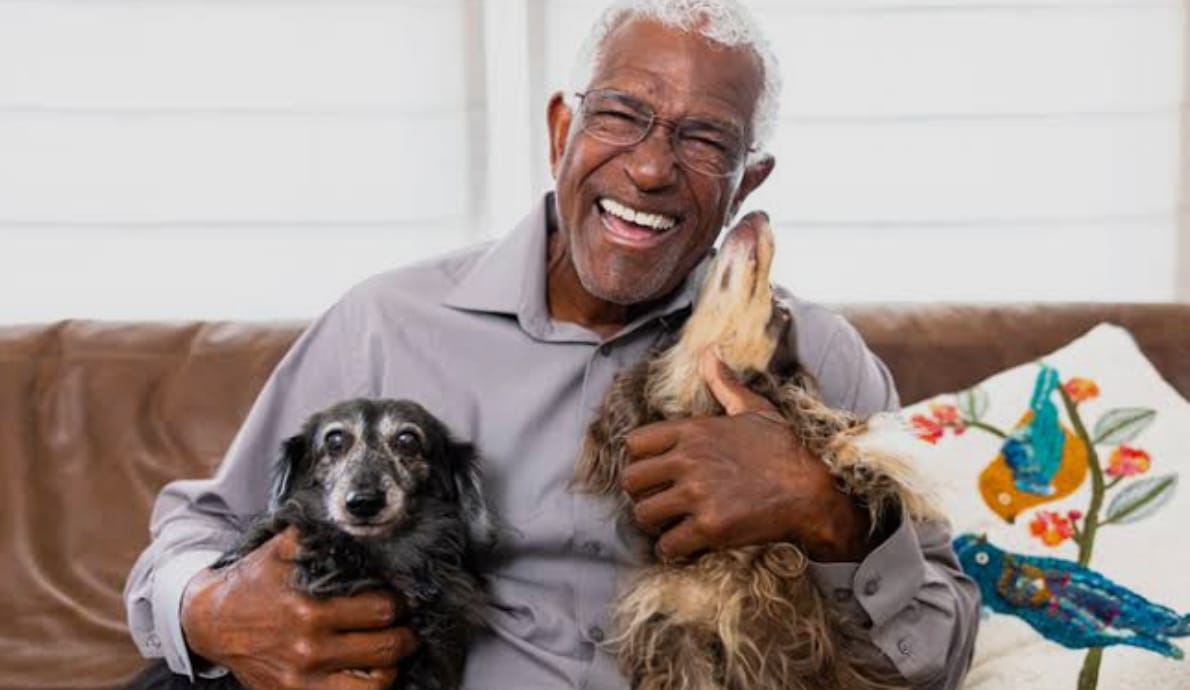
The Family Member Nobody Plans For
You've thought about who will make medical decisions for you. You've named a financial agent. You've written a will. You've done more planning than most people ever do.
But what about your dog? Your cat? Your horse? The animals who depend entirely on you for their safety, their care, and their daily life?
For most pet owners, this is the planning gap they never close — not because they don't care, but because they don't know it's possible to close it legally. They assume a family member will figure it out, or they make an informal arrangement with a friend, or they simply don't let themselves think about it.
Here's the reality: if you're hospitalized suddenly, your pet may have no one with legal authority to care for them. If you die without provisions in place, your pet becomes personal property — distributed like furniture, with no guarantee they'll go to the person best suited to love them, and no funds to support their care.
Two legal tools solve this: a Pet Power of Attorney and a Pet Care Trust. Together they cover every scenario — emergency, incapacity, and death — with the same thoughtfulness you've brought to the rest of your planning.
What Is a Pet Power of Attorney?
A Pet Power of Attorney is a legal document that authorizes a designated person — your pet care agent — to make decisions about your pet's care if you become temporarily or permanently unable to do so yourself.
Like a Medical or Financial Power of Attorney, it gives your agent legal standing to act on your behalf — in this case, specifically for your animal's wellbeing. Without it, your neighbor, your sister, or your best friend has no formal authority to authorize veterinary treatment, pick up your pet from a boarding facility, or make care decisions on your behalf.
What your pet care agent can do with a Pet POA:
- Authorize and consent to veterinary treatment, including emergency surgery
- Pick up your pet from a veterinarian, groomer, or boarding facility
- Make day-to-day care decisions — feeding, medication, exercise, routine
- Transport your pet to temporary housing during your incapacity
- Access funds you've designated for pet care expenses
- Make end-of-life decisions if your pet's health requires it
When does it activate?
You can structure a Pet POA to be effective immediately — useful if you travel frequently and want someone to always have authority — or to activate only upon your incapacity, similar to a springing power of attorney.
How long does it last?
A Pet POA typically covers the period of your incapacity. It is not a permanent arrangement — it bridges the gap until you recover, until a longer-term arrangement is made, or until your pet care trust takes over.
What Is a Pet Care Trust?
A Pet Care Trust is a legal trust that holds funds and provides binding instructions for the ongoing care of your pet after your death — or during a long-term incapacity.
Unlike a simple bequest in a will ("I leave my dog to my daughter"), a Pet Care Trust is legally enforceable. The trustee — the person managing the trust — is legally obligated to use the trust funds for your pet's care according to your specific instructions. Your pet's caregiver is accountable. The money can only be spent on your pet.
This matters because pets cannot inherit property directly under the law. In most states, animals are legally considered personal property. Leaving money "to" your pet in a will has no legal effect — the bequest fails. A Pet Care Trust is the mechanism that actually works.
All 50 states now recognize Pet Care Trusts under some form of statute — either specific pet trust legislation or the Uniform Trust Code provision covering honorary trusts for animals. This is a relatively recent legal development, and it means pet care trusts are now a well-established, enforceable planning tool nationwide.
How a Pet Care Trust Works
The structure mirrors other trusts:
- You are the grantor. You create the trust, fund it, and write the instructions for how your pet should be cared for.
- The trustee manages the money. This person holds the funds and distributes them to the caregiver for pet-related expenses. The trustee can be the same person as the caregiver or a different person — having separate roles provides accountability.
- The caregiver provides the actual care. This is the person your pet lives with and who handles day-to-day responsibility.
- The trust terminates when your pet dies. Any remaining funds at that point are distributed to whoever you name — typically family members or a charity of your choice, such as an animal welfare organization.
What the trust document covers:
- Which pets are included (identified specifically — by name, species, breed, microchip number)
- Who serves as caregiver
- Who serves as trustee (can be same or different from caregiver)
- How much is funded and how distributions are made
- Detailed care instructions — diet, veterinary preferences, medications, exercise routine, behavioral notes
- What happens if the named caregiver cannot serve
- Where remaining funds go when the pet dies
Why Informal Arrangements Aren't Enough
Most people rely on informal arrangements. "My sister said she'd take the dog." "My neighbor has a key." "I told my kids what I'd want."
Here's why these fall short:
- No legal authority in an emergency. If you're hospitalized and unconscious, your neighbor — no matter how willing — cannot authorize emergency surgery for your pet at most veterinary practices. Veterinarians need someone with legal authority to consent to treatment and accept financial responsibility. Without a Pet POA, care can be delayed.
- No obligation to follow through. Your sister said she'd take the dog. But what if she moves? What if her circumstances change? What if she and your other family members disagree about who should have the pet? An informal promise has no legal weight.
- No guaranteed funding. Even if a family member takes your pet, there's no mechanism ensuring that money is available for their care. A pet trust solves this.
- Pets can fall through the cracks. In the chaos of settling an estate, animals are sometimes overlooked — left with temporary caregivers who can't keep them long-term, surrendered to shelters, or passed between family members who didn't really want them. A trust with a named, committed caregiver and funded care prevents this.
- Your will isn't enough on its own. Even a will that addresses your pet has limitations. Wills go through probate — a process that can take months. Your pet needs care immediately, not after probate concludes. A pet trust combined with a Pet POA covers both the immediate and long-term situations.
Real scenario: A 71-year-old woman with two cats was hospitalized suddenly for a cardiac event. She recovered — but spent three weeks in the hospital and then a rehabilitation facility. Her cats were cared for by a neighbor under an informal arrangement. The neighbor couldn't get one of the cats treated for a urinary blockage — a potentially fatal condition — because the veterinary practice required owner authorization for treatment. The cat survived, but only because the woman's daughter drove four hours to sign the paperwork. A Pet Power of Attorney would have resolved this in minutes.
How Much Should You Fund a Pet Care Trust?
This is one of the most common questions — and the answer depends on your pet, their age, their health, and the standard of care you want them to receive.
Start with a realistic annual care estimate:
| Expense | Estimated Annual Cost |
|---|---|
| Food and treats | $500–$2,000 |
| Routine veterinary care | $500–$1,500 |
| Dental cleanings | $300–$800 (every 1–2 years) |
| Medications (if applicable) | $200–$2,000+ |
| Grooming | $300–$1,200 |
| Boarding or pet sitting | $500–$3,000 |
| Pet insurance | $300–$1,500 |
| Annual total (estimate) | $2,600–$12,000+ |
Then estimate remaining lifespan:
- Dogs: 10–15 years on average, depending on breed and current age
- Cats: 12–18 years on average
- Horses: 25–30 years on average
- Birds (parrots): 20–80 years — this is genuinely one of the most significant pet planning challenges
Build in a cushion for unexpected medical costs. A single emergency surgery or cancer treatment can cost $3,000–$10,000 or more. Many pet owners fund their trust to cover 1.5–2x the estimated routine care cost to account for this.
A rough framework:
- Young, healthy dog or cat with 10+ years of expected life: $15,000–$50,000
- Older pet with 3–5 years of expected life: $10,000–$25,000
- Horse or long-lived exotic animal: $50,000–$150,000+
Courts can reduce excessive amounts. Most state pet trust statutes allow courts to reduce trust funding they deem unreasonably large relative to the pet's needs. Funding should be reasonable and justifiable — not a mechanism to shelter assets from heirs or creditors.
How to Choose a Caregiver
This is the most important decision in your pet care planning. The right caregiver for your pet is not necessarily your closest family member — it's the person who will genuinely provide the quality of life and the love your pet deserves.
Look for someone who:
- Already has a relationship with your pet — your pet knows and trusts them
- Has the lifestyle to accommodate your pet — space, time, activity level
- Has experience with pets, ideally with your type of animal
- Is genuinely willing — not just agreeable to avoid an awkward conversation
- Is likely to be in a stable situation for your pet's remaining lifespan
- Shares your values about veterinary care and end-of-life decisions
Practical questions to ask yourself:
- Does the potential caregiver rent or own? (Rental situations may not allow pets)
- Do they travel frequently?
- Do they have other pets? Are they compatible?
- Do they have children, and are they appropriate around animals?
- What is their financial situation? (Even with trust funding, caregiving involves time and inconvenience)
Always name a backup caregiver. Your primary caregiver may predecease your pet, move, or find themselves unable to continue. A named backup prevents your pet from being left without a plan.
Talk to the caregiver honestly. Ask them directly: "If something happened to me tomorrow, would you be willing and able to take [pet's name] for the rest of their life?" Give them permission to say no or to set limits. A reluctant caregiver is worse than no caregiver.
Consider a professional animal sanctuary or rescue as a last resort. Some rescue organizations and sanctuaries accept planned giving arrangements — you fund their care in exchange for a commitment to provide a home. This is particularly relevant for long-lived animals like parrots and horses.
The Care Instructions Document — The Most Important Thing Nobody Writes
A Pet Care Trust can be legally perfect and still fail your pet if the caregiver doesn't know how to care for them the way you did.
Write a detailed care instructions document — sometimes called a pet care letter — that travels with your pet and gives any caregiver everything they need to know:
Identity and medical information:
- Full name, species, breed, age, color, and distinguishing markings
- Microchip number and registration
- Veterinarian name, practice, address, and phone number
- Emergency veterinary contact
- Current medications — name, dosage, frequency, and what they're for
- Known allergies or medical conditions
- Vaccination records and due dates
- Pet insurance policy information
Daily care:
- Feeding schedule, food brand, and amount
- Treats — what they love, what they can't have
- Exercise routine and needs
- Grooming schedule and preferences
- Any behavioral quirks, fears, or triggers
- What they love most and what distresses them
- Sleeping arrangements and routines
- Any training commands or behavioral history
End-of-life guidance:
- Your wishes regarding extraordinary veterinary measures
- At what point you would want quality of life prioritized over intervention
- Your wishes for burial or cremation
This document isn't legally binding — but it's the human layer that makes the legal structure meaningful. Update it every year or whenever something significant changes.
How to Have the Conversation with Your Chosen Caregiver
This conversation is easier than most people expect, especially if the caregiver already loves your pet.
Opening:
"You know how much [pet's name] means to me, and I've been thinking about what would happen to them if something happened to me. You're the person I trust most for this. Would you be willing to be named as their caregiver in my legal documents — and to have access to funds set aside for their care?"
Cover the practical details:
- What the arrangement involves — both the immediate (Pet POA) and long-term (trust)
- That funds will be set aside so they're not out of pocket
- Where the care instructions document will be kept
- Who to contact (veterinarian, trustee, backup caregiver)
Give them permission to set conditions:
"If there are circumstances under which you couldn't take them — like if you moved, or your living situation changed — I want to know that. I'd rather plan for it now than have you feel trapped later."
How to Create a Pet Power of Attorney and Pet Care Trust
Pet Power of Attorney:
This document can be created by an estate planning or elder-law attorney as part of your broader planning package. It should be signed, witnessed, and notarized according to your state's requirements for powers of attorney. Make multiple copies — your designated agent needs one, your veterinarian should have one on file, and you should keep one in an accessible location at home.
Pet Care Trust:
An estate planning or elder-law attorney drafts this as part of your estate plan. The cost is typically modest when bundled with your other estate planning documents — often $300–$800 for the pet trust component when created alongside a will or revocable living trust. Standalone, expect $500–$1,500 depending on complexity.
What to bring to your attorney:
- Details about each pet — name, species, breed, age, microchip number
- Your proposed caregiver and backup caregiver
- Your proposed trustee (if different from caregiver)
- A realistic estimate of annual care costs
- Your care preferences and end-of-life wishes
- Who should receive remaining trust funds when your pet dies
For planning support and to explore your options, visit our trusted partner for end-of-life and legacy planning.
Special Considerations for Different Types of Pets
- Dogs and cats: The most common scenario. Focus on caregiver relationship, funding for 10–15 years of care, and detailed behavioral notes so the transition is as smooth as possible.
- Horses: The cost and complexity of horse care makes this one of the most important pet planning situations. Board, farrier, veterinary, and feed costs easily reach $10,000–$20,000 per year. A horse can live 30+ years. Funding needs to be substantial, and the caregiver needs specific equine experience. Consider a professional equine sanctuary as a backup.
- Birds — especially parrots: Parrots can outlive their owners by decades. A macaw or cockatoo may live 60–80 years. This is a multigenerational planning challenge. Your trust may need to outlast your children. Consider an avian rescue organization with a planned giving program as a backup or primary arrangement.
- Reptiles and exotic animals: Care requirements are highly specialized. Your caregiver must have specific experience with your animal's species. Detailed care instructions are especially critical.
- Multiple pets: Each pet should be identified individually in the trust. Consider what happens if pets outlive each other — the trust should address how care funds are managed as the number of pets changes.
Checklist: Pet Power of Attorney and Pet Care Trust
- Identified primary caregiver — someone who knows and loves my pet
- Identified backup caregiver
- Had honest conversation with both about their willingness and ability
- Identified trustee (same as caregiver or separate for accountability)
- Estimated annual care costs and remaining lifespan
- Determined trust funding amount with cushion for medical emergencies
- Drafted Pet Power of Attorney with attorney — signed, witnessed, notarized
- Veterinarian has a copy of the Pet POA on file
- Pet Care Trust drafted as part of estate plan
- Detailed care instructions document written and given to caregiver
- Microchip registered and current contact information on file
- Pet insurance reviewed — policy information documented
- Named beneficiary for remaining trust funds when pet dies
- All documents stored in accessible location — caregiver and trustee know where
Frequently Asked Questions
Can I leave money directly to my pet in my will?
No — pets are legally considered personal property in the United States and cannot be legal beneficiaries. A bequest "to" your pet has no legal effect. A Pet Care Trust is the legally enforceable mechanism for ensuring funds are used for your pet's care.
What if my chosen caregiver changes their mind after I die?
The trust document should name a backup caregiver and give the trustee authority to find an appropriate alternative if the named caregiver cannot or will not serve. Building in a process for this contingency is essential.
Can I include my pet in my regular living trust?
Some estate planning attorneys incorporate pet care provisions into a revocable living trust rather than creating a separate pet trust. This can work — what matters is that the provisions are legally sound and specifically address your pet's care. Discuss the best structure with your attorney.
Is a Pet Power of Attorney recognized by veterinarians?
Most veterinarians will honor a Pet POA from someone with clear written authority. Having the document on file with your regular veterinarian in advance — not just in a drawer at home — is the most reliable approach. Call your vet and ask them to keep a copy in your pet's file.
What if I have more than one pet and they need to be kept together?
Document this clearly in the trust — that the pets must remain together, or that if separation becomes necessary, specific protocols apply. Courts generally honor specific instructions about keeping bonded animals together.
Can I set up a pet trust for a pet I haven't gotten yet?
You can create a trust structure that can be updated when you acquire a pet, or you can simply update your existing documents when your pet situation changes. Estate planning documents should be reviewed regularly — any new pet is a reason to update.
What happens to the trust if my pet outlives all named caregivers?
The trust should name a process for this contingency — typically giving the trustee authority to find a new caregiver, or designating a rescue organization or sanctuary as the ultimate backstop. Plan for the worst case, especially for long-lived animals.
Does a pet trust affect Medicaid eligibility?
A funded pet trust may be considered a countable asset for Medicaid purposes, depending on how it is structured and your state's rules. If Medicaid planning is a consideration for you, discuss the interaction between your pet trust and your Medicaid planning strategy with your elder-law attorney.
Related Resources
- Revocable Living Trust: What It Is and Do You Need One?
- Last Will and Testament: A Plain-Language Guide
- Financial Power of Attorney: Protecting Your Assets
- Medical Power of Attorney: Choosing the Right Person
- Funeral Trust: What It Is and How It Works
- Take the Legal Readiness Quiz
- LTCareNav Planning Partner — Gentreo
This article is for educational purposes only and does not constitute legal advice. Pet trust laws, recognition of Pet Powers of Attorney, and related rules vary by state. Consult a licensed estate planning or elder-law attorney for guidance specific to your situation and your state.
Sources & references
- Internal Revenue Service — Estate Tax